

Can Quartz Construction work on transportation infrastructure projects?
Sep 22, 2025
As a supplier of Quartz Construction, I've often been asked whether quartz can be effectively used in transportation infrastructure projects. This is a question that combines the practicality of construction materials with the unique requirements of transportation systems. In this blog, I'll explore the potential of quartz in transportation infrastructure, looking at its properties, applications, and the challenges it might face.
Properties of Quartz
Quartz is a mineral known for its remarkable physical and chemical properties. It is one of the hardest minerals on Earth, ranking 7 on the Mohs scale of mineral hardness. This hardness makes it highly resistant to abrasion, which is a crucial factor in transportation infrastructure where surfaces are constantly subjected to wear and tear from vehicle traffic, pedestrian movement, and environmental factors.
In addition to its hardness, quartz is also chemically inert. It does not react easily with most chemicals, acids, or alkalis. This chemical stability ensures that quartz can withstand the harsh conditions often found in transportation environments, such as exposure to road salts, exhaust fumes, and various pollutants.

Quartz also has excellent thermal stability. It can endure a wide range of temperatures without significant expansion or contraction, which is essential in areas with extreme climate variations. This property helps prevent cracking and other forms of damage that can occur due to temperature - related stress.
Applications in Transportation Infrastructure
Road Surfaces
One potential application of quartz in transportation infrastructure is in road surfaces. The hardness and abrasion resistance of quartz make it an ideal candidate for use in asphalt or concrete mixtures. When added to these materials, quartz can enhance the durability of the road surface, reducing the need for frequent repairs and maintenance. For example, in high - traffic areas such as highways and city streets, a quartz - enhanced road surface could last longer, withstanding the constant friction from vehicle tires.
Quartz can also improve the skid resistance of roads. Its rough surface texture can provide better traction for vehicles, especially in wet or icy conditions. This can significantly enhance road safety, reducing the risk of accidents caused by slippery roads.
Bridges and Overpasses
In bridge and overpass construction, quartz can be used in the form of White Quartz Tiles Flooring for pedestrian walkways. The aesthetic appeal of white quartz tiles can enhance the overall look of the bridge, while their durability ensures a long - lasting surface. Additionally, quartz can be incorporated into the concrete used for bridge piers and abutments. Its chemical stability helps protect the concrete from corrosion, which is a major concern in bridge structures exposed to water, salt, and other environmental factors.
Railway Stations
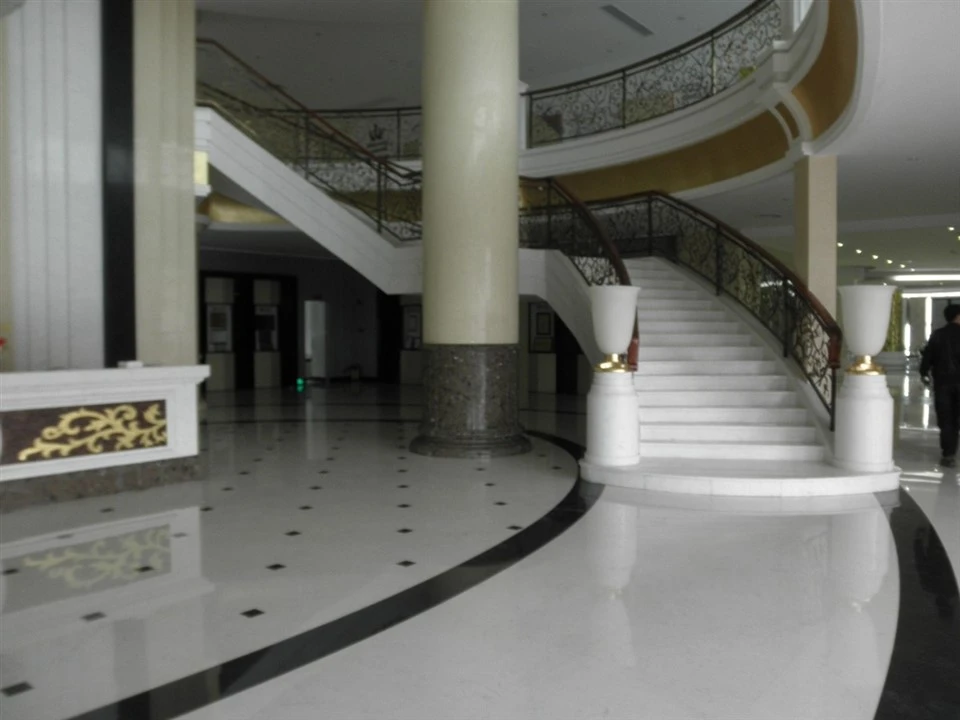
Railway stations are high - traffic areas that require durable and attractive flooring materials. Quartz Window Sills can be used in railway station waiting areas, platforms, and concourses. The hardness of quartz makes it resistant to the heavy foot traffic, and its smooth surface is easy to clean, maintaining a hygienic environment. Moreover, quartz can be used in the construction of ticket counters and other interior elements, adding a touch of elegance to the station.
Airport Runways and Terminals
Airport runways need to withstand the heavy weight and high - speed impact of aircraft. Quartz - enhanced concrete can provide the necessary strength and durability for these demanding applications. In airport terminals, quartz can be used for flooring, wall cladding, and countertops. Its aesthetic versatility allows for a variety of design options, creating a modern and inviting atmosphere for passengers.
Challenges and Considerations
While quartz has many advantages for transportation infrastructure projects, there are also some challenges that need to be considered.
Cost
Quartz is generally more expensive than traditional construction materials such as concrete and asphalt. The cost of quarrying, processing, and transporting quartz can add up, making it a less economical choice in some cases. However, it's important to consider the long - term cost savings associated with its durability. A quartz - enhanced structure may require less maintenance and have a longer lifespan, offsetting the initial higher cost.
Installation Complexity
Installing quartz - based materials may require specialized skills and equipment. For example, laying quartz tiles requires precise alignment and proper grouting to ensure a smooth and durable surface. Similarly, incorporating quartz into concrete mixtures requires careful proportioning and mixing to achieve the desired properties. This means that contractors need to be well - trained in working with quartz, which can add to the overall project cost.
Environmental Impact
The quarrying and processing of quartz can have environmental impacts. It can cause habitat destruction, soil erosion, and water pollution. However, many quartz suppliers are now adopting more sustainable practices, such as using recycled quartz and implementing reclamation plans for quarries. When considering quartz for transportation infrastructure projects, it's important to choose suppliers who are committed to environmental responsibility.
The Future of Quartz in Transportation Infrastructure
Despite the challenges, the future of quartz in transportation infrastructure looks promising. As technology advances, the cost of producing and using quartz may decrease, making it a more viable option for a wider range of projects. Research is also being conducted to develop new ways of incorporating quartz into construction materials, improving its performance and reducing installation complexity.
Moreover, the growing demand for sustainable and durable construction materials is likely to drive the adoption of quartz in transportation infrastructure. Its long - term durability and low maintenance requirements make it an environmentally friendly choice in the long run, as it reduces the need for frequent replacements and repairs.
Contact for Procurement
If you're interested in using quartz for your transportation infrastructure projects, I'd be more than happy to discuss your needs. As a supplier of Quartz Construction, I can provide you with high - quality quartz products and professional advice on their application. Whether you're working on a small - scale railway station renovation or a large - scale highway project, we have the expertise and resources to meet your requirements. Contact us to start a procurement discussion and explore how quartz can enhance your transportation infrastructure.
References
- "Engineering Properties of Quartz - Based Composites for Construction", Journal of Construction Materials, Volume 15, Issue 3.
- "Sustainable Construction Materials: The Case of Quartz", Environmental Science and Technology Review, Volume 22, Issue 4.
- "Quartz in Transportation Infrastructure: A Review of Applications and Challenges", Transportation Research Board Annual Meeting Proceedings, 2023.