

Does terrazzo tile make a lot of noise when walked on?
Jan 20, 2026
As a terrazzo tile supplier, I often get asked whether terrazzo tiles make a lot of noise when walked on. It's a valid concern, especially for those considering using terrazzo tiles in areas like residential living spaces, offices, or commercial buildings where noise levels can impact comfort and functionality. In this blog, I'll dig into the factors that affect the noise produced by terrazzo tiles and provide some insights to help you make an informed decision.
Understanding Terrazzo Tiles
Before we talk about the noise aspect, let's quickly go over what terrazzo tiles are. Terrazzo is a composite material made by mixing chips of marble, quartz, granite, glass, or other suitable materials with a binder, which is typically cement or epoxy resin. After the mixing process, the material is poured, set, and then ground and polished to create a smooth, durable surface.
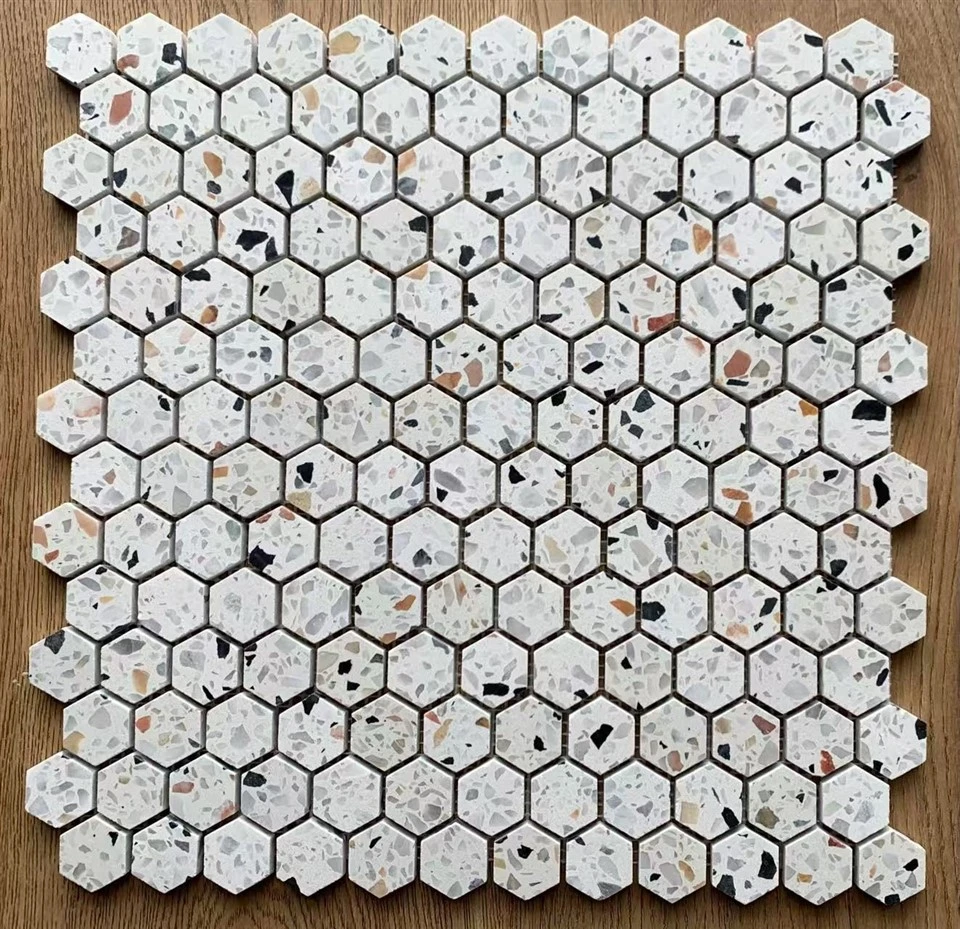
There are several types of terrazzo tiles available on the market, including Terrazzo Mosaic Tiles and Terrazzo Concrete Tiles. They come in a wide range of colors, patterns, and sizes, making them a popular choice for both interior and exterior applications.
Factors Affecting Noise Levels
The noise produced when walking on terrazzo tiles can vary significantly depending on several factors. Here are the key ones to consider:
Subfloor
The type and condition of the subfloor play a crucial role in determining the noise level. A hard, rigid subfloor, such as concrete, can amplify the sound of footsteps, as it doesn't absorb much vibration. On the other hand, a softer subfloor material, like cork or rubber underlayment, can help dampen the noise by absorbing and dissipating the impact energy.
Installation Method
Proper installation is essential for minimizing noise. If the terrazzo tiles are not installed correctly, with gaps or uneven spacing between them, it can lead to increased noise when walked on. Additionally, using the right adhesive or grout can also affect the sound qualities. A flexible grout can help reduce noise by allowing some movement between the tiles and absorbing shocks.
Footwear
The type of footwear being used on the terrazzo tiles has a big impact on the noise level. High - heeled shoes or hard - soled boots will generally make more noise than soft - soled slippers or athletic shoes. In areas where noise is a concern, encouraging the use of appropriate footwear can be an effective solution.
Tile Thickness and Composition
Thicker terrazzo tiles tend to be more effective at reducing noise because they have more mass to absorb vibration. The composition of the tile also matters. For example, epoxy - based terrazzo tiles might have different sound - absorbing properties compared to cement - based ones.
Comparing Terrazzo to Other Flooring Materials
To better understand the noise levels of terrazzo tiles, it's helpful to compare them to other common flooring materials:
Hardwood Floors
Hardwood floors can also produce a decent amount of noise when walked on, especially if they are dry or have gaps between the boards. However, with proper maintenance and installation, they can be made relatively quiet. Terrazzo tiles may be noisier than well - maintained hardwood in some cases, but they have the advantage of being more durable and less prone to scratches and dents.
Carpet
Carpets are well - known for their noise - absorbing properties. They can significantly reduce the sound of footsteps, making them a great choice for areas where noise needs to be minimized, such as bedrooms or libraries. Terrazzo tiles will generally be noisier than carpets, but they offer other benefits like easy cleaning, resistance to stains, and a more modern aesthetic.
Ceramic Tiles
Ceramic tiles are similar to terrazzo tiles in terms of noise levels. Both are hard - surface materials, and the noise produced when walking on them can be comparable. However, the specific noise level will depend on factors like the subfloor, installation, and tile thickness, as mentioned earlier.
Reducing Noise from Terrazzo Tiles
If you're concerned about the noise levels of terrazzo tiles, there are several strategies you can use to reduce the noise:
Use an Underlayment
Installing a suitable underlayment between the subfloor and the terrazzo tiles can make a big difference. As I mentioned before, materials like cork or rubber are great options because they can absorb impact and vibration. You can find underlayments specifically designed for use with hard - surface flooring, which are easy to install and can effectively reduce noise.
Acoustic Treatments
In addition to underlayments, you can also use other acoustic treatments in the room. For example, adding wall panels or ceiling tiles with sound - absorbing properties can help to reduce the overall noise level in the space. This can be particularly useful in large rooms or areas with high ceilings.
Regular Maintenance
Keeping your terrazzo tiles clean and well - maintained can also help reduce noise. Dirt and debris between the tiles can cause additional noise when walked on. Regular sweeping and mopping, as well as occasional sealant applications, can keep the tiles in good condition and minimize noise.
Terrazzo Tiles in Specific Applications
Terrazzo Tile Bathrooms
In bathrooms, noise may not be as big of a concern as in other areas. However, if you want to create a more comfortable and quiet environment, using an underlayment can still be a good idea. Terrazzo tiles are a great choice for bathrooms because of their water - resistance and durability.
Commercial Spaces
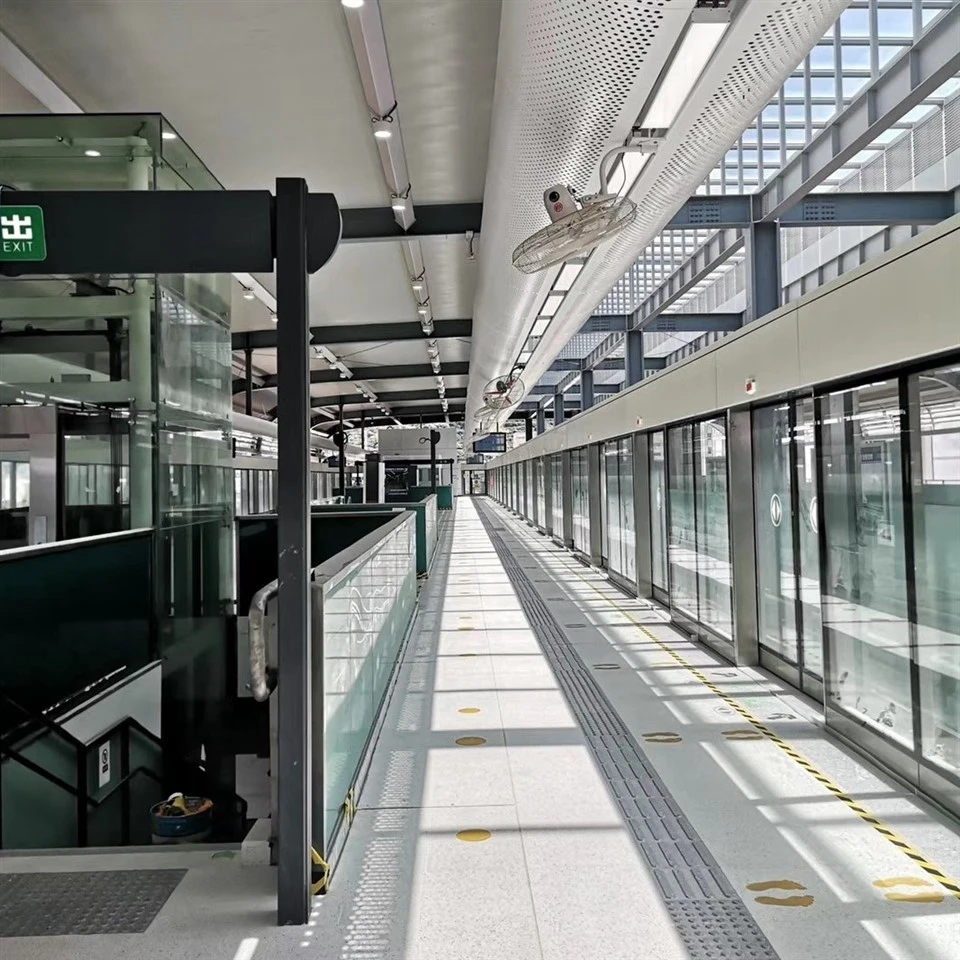
In commercial spaces like offices or retail stores, noise can affect the overall customer experience and employee productivity. While terrazzo tiles can be noisier than some flooring options, proper installation and use of underlayments can help mitigate the noise issue. Additionally, the aesthetic appeal and durability of terrazzo tiles make them a popular choice for these types of environments.
Conclusion
So, does terrazzo tile make a lot of noise when walked on? The answer isn't a simple yes or no. It depends on a variety of factors, including the subfloor, installation method, footwear, and tile characteristics. While terrazzo tiles may produce more noise than some softer flooring materials like carpet, there are ways to reduce the noise levels and make them a suitable option for many different applications.
If you're considering using terrazzo tiles in your project and have concerns about noise, don't hesitate to reach out. As a terrazzo tile supplier, I can provide you with more information, offer product recommendations, and answer any questions you may have. Let's start a conversation and see how we can find the best terrazzo tile solution for your needs!
References
- ASTM International. Standards for testing flooring materials.
- National Wood Flooring Association. Guide to flooring noise reduction.
- Flooring Industry Association. Studies on flooring acoustics.