

How does Black Marble Quartz compare to granite?
Jul 28, 2025
As a supplier of Black Marble Quartz, I've had the privilege of witnessing firsthand the growing interest in this exquisite material, especially when compared to the long - standing favorite, granite. In this blog, I'll delve into a comprehensive comparison between Black Marble Quartz and granite, exploring various aspects such as appearance, durability, maintenance, cost, and environmental impact.
Appearance
One of the most noticeable differences between Black Marble Quartz and granite lies in their appearance. Black Marble Quartz offers a sleek and contemporary look with its uniform color and pattern. The deep, rich black color is often accented with fine veining that mimics the look of natural marble, creating a luxurious and sophisticated aesthetic. This consistent appearance makes it an ideal choice for modern kitchen designs or high - end bathroom installations.
On the other hand, granite is celebrated for its natural and unique beauty. Each slab of granite is one - of - a - kind, with a wide range of colors and patterns that can vary from subtle speckles to bold swirls. Granite comes in a diverse palette, including earthy tones, vibrant blues, and warm reds. This natural variation means that no two granite countertops will ever look the same, adding a touch of individuality to any space.
For those who prefer a more consistent and refined look, Black Marble Quartz is the clear winner. However, if you're drawn to the organic and ever - changing beauty of nature, granite might be the better option. For example, if you're designing a contemporary kitchen, Kitchen Island White Quartz can provide a seamless and elegant backdrop, while a granite countertop would bring a rustic charm to a traditional kitchen.
Durability
When it comes to durability, both Black Marble Quartz and granite are excellent choices. Black Marble Quartz is engineered to be highly resistant to scratches, stains, and heat. It is made by combining natural quartz crystals with resins and pigments under high pressure and heat, resulting in a dense and hard surface. This makes it suitable for high - traffic areas such as kitchens, where it can withstand the daily wear and tear of cooking, chopping, and placing hot pots and pans.
Granite is also a very durable natural stone. It has been used in construction for centuries due to its strength and resilience. Granite is resistant to scratches and heat, but it is more porous than Black Marble Quartz. This means that it is more susceptible to staining if not properly sealed. Over time, the sealant on granite countertops may need to be reapplied to maintain its stain - resistance.
In general, Black Marble Quartz requires less maintenance in terms of durability. It can maintain its pristine appearance for years without the need for frequent sealing. However, granite, when properly cared for, can also last a lifetime and become a family heirloom in your home.
Maintenance
Maintenance is an important factor to consider when choosing between Black Marble Quartz and granite. Black Marble Quartz is relatively low - maintenance. It can be cleaned with a mild soap and water solution, and there's no need for special cleaners or sealants. Spills can be easily wiped away, and because of its non - porous nature, it doesn't harbor bacteria or mold.
Granite, as mentioned earlier, requires regular sealing to prevent staining. The frequency of sealing depends on the type of granite and its usage. In a kitchen, granite countertops may need to be sealed once a year or more. Additionally, granite should be cleaned with a pH - neutral cleaner to avoid damaging the sealant and the stone itself. Harsh chemicals can etch the surface of granite, leaving it dull and vulnerable to stains.
If you're looking for a hassle - free countertop option, Black Marble Quartz is the way to go. Its easy - to - clean surface makes it a popular choice for busy households. However, if you don't mind the extra maintenance and enjoy the process of caring for a natural stone, granite can be a rewarding choice.
Cost
Cost is often a deciding factor when choosing between different countertop materials. The cost of Black Marble Quartz and granite can vary depending on several factors, including the quality, thickness, and origin of the stone.
In general, Black Marble Quartz tends to be more expensive than granite. The manufacturing process of engineered quartz is more complex and involves advanced technology, which drives up the cost. However, the price difference may not be significant, especially when considering the long - term benefits of Black Marble Quartz, such as its low maintenance and durability.
Granite is available in a wide range of prices. Lower - grade granite can be relatively affordable, while high - end, rare varieties can be quite expensive. The cost of installation also plays a role. Since granite is a natural stone, it may require more skilled labor to cut and install due to its irregularities.
When budgeting for your countertop project, it's important to consider not only the upfront cost but also the long - term cost of maintenance. Black Marble Quartz may have a higher initial price, but it can save you money in the long run by reducing the need for frequent sealing and repairs.
Environmental Impact
In today's environmentally conscious world, the environmental impact of building materials is a significant consideration. Black Marble Quartz is an engineered stone, which means that it is made from a combination of natural and synthetic materials. The production process of quartz countertops can have a relatively high environmental impact due to the energy required for manufacturing. However, many manufacturers are now using recycled materials in their quartz products, which helps to reduce waste and conserve natural resources.

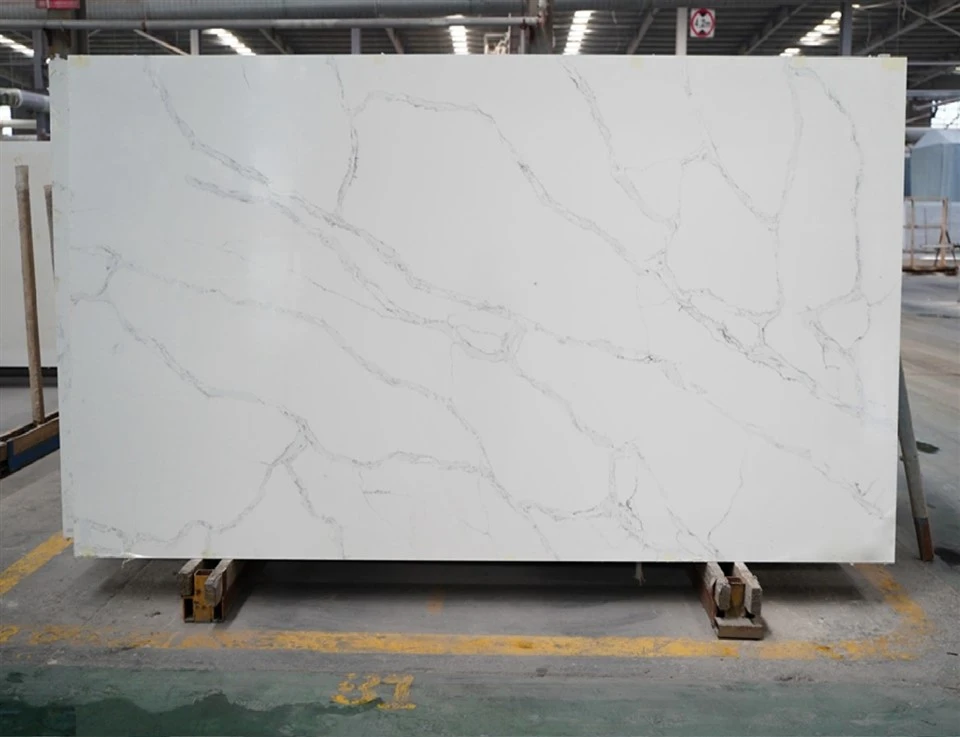
Granite is a natural stone, which is a renewable resource in the long term. However, the extraction of granite from quarries can have a significant environmental impact, including habitat destruction, soil erosion, and water pollution. Additionally, the transportation of granite from quarries to manufacturing facilities and then to your home can contribute to carbon emissions.
Both materials have their pros and cons in terms of environmental impact. If you're looking for an option that uses recycled materials, Black Marble Quartz may be a better choice. However, if you prefer a completely natural material, granite can be a sustainable option if sourced from a responsible quarry.
Conclusion
In conclusion, both Black Marble Quartz and granite have their own unique advantages. Black Marble Quartz offers a modern, consistent appearance, high durability, low maintenance, and can be a more environmentally friendly option when made with recycled materials. Granite, on the other hand, provides a natural, one - of - a - kind beauty, long - lasting durability, and a more traditional aesthetic.
If you're in the market for a new countertop and are considering Black Marble Quartz, I encourage you to explore our range of products, including Calacatta Noble Quartz and Exotic Quartz Countertops. We're here to help you make an informed decision based on your specific needs and preferences. Whether you're a homeowner, a designer, or a contractor, we're ready to work with you to find the perfect countertop solution. If you're interested in learning more or starting a procurement discussion, please reach out to us. We look forward to serving you and bringing your dream kitchen or bathroom to life.
References
- "Quartz Countertops: A Buyer's Guide." HomeAdvisor.
- "Granite Countertops: Everything You Need to Know." This Old House.
- "The Environmental Impact of Building Materials." Green Building Council.