

How does temperature affect the Quartz Threshold?
Aug 19, 2025
Hey there! I'm a supplier of Quartz Threshold, and today I wanna chat about how temperature can affect this awesome product.
First off, let's understand what a Quartz Threshold is. It's a crucial part in many construction and interior design projects. You can check out more about it here: Quartz Threshold. It's often used to separate different areas, like between rooms or from indoors to outdoors. And it's not just functional but also adds a touch of elegance to the space.
Now, temperature is a key factor that can have a significant impact on Quartz Threshold. Quartz is a hard - wearing material, but temperature changes can still bring about some effects.
Thermal Expansion and Contraction
One of the most obvious ways temperature affects Quartz Threshold is through thermal expansion and contraction. When the temperature rises, the quartz material expands. Just like most substances, the molecules in quartz start to move more vigorously as they gain energy from the heat. This causes the overall volume of the Quartz Threshold to increase slightly.
Conversely, when the temperature drops, the quartz contracts. The molecules slow down, and they move closer together, reducing the volume of the threshold. These expansion and contraction cycles can be a bit of a problem over time. If the Quartz Threshold is installed in a way that doesn't allow for this natural movement, it can lead to cracks or damage.
For example, in a place with extreme temperature variations, like a region with very hot summers and cold winters, the repeated expansion and contraction can put a lot of stress on the threshold. If it's tightly fixed without any room for movement, the stress can build up until the quartz finally cracks. This is why proper installation techniques are so important. Installers need to leave some expansion joints to accommodate these changes.
Impact on Appearance
Temperature can also affect the appearance of the Quartz Threshold. High temperatures can cause discoloration in some cases. If the threshold is exposed to direct sunlight for long periods, especially in hot climates, the UV rays combined with the heat can fade the color of the quartz. This is more likely to happen with lighter - colored quartz, such as those used in White Quartz Tiles Flooring.
On the other hand, extremely cold temperatures can make the surface of the quartz look dull. The cold can cause the surface to become a bit brittle, and it might lose some of its natural shine. This is not only a cosmetic issue but can also affect the overall aesthetic appeal of the area where the threshold is installed.
Performance in Different Temperature Zones
Let's talk about how Quartz Threshold performs in different temperature zones. In tropical regions, where the temperature is consistently high and there's a lot of humidity, the quartz needs to be able to withstand the heat and moisture. The high humidity can also contribute to the growth of mold or mildew on the threshold if it's not properly sealed.
In temperate regions, with more moderate temperature changes, the Quartz Threshold generally has an easier time. However, the seasonal changes still need to be considered during installation. For example, in spring and fall, when the temperature can fluctuate quite a bit, the expansion and contraction cycles are still at play.
In polar or cold - climate regions, the extreme cold can be a real challenge. The quartz needs to be able to resist freezing and thawing cycles. Water that seeps into small pores in the quartz can freeze and expand, causing internal damage to the material. This is why in these areas, it's important to choose a high - quality Quartz Threshold that's specifically designed to withstand cold temperatures.
Installation Considerations Based on Temperature
When installing a Quartz Threshold, the temperature at the time of installation is crucial. If it's installed in very hot weather, the quartz is in an expanded state. As the temperature drops later, it will contract, and if the installation was done without considering this, it can lead to gaps or misalignments.
Similarly, if it's installed in cold weather, the quartz is contracted. When the temperature rises, the expansion can cause the threshold to buckle or crack if there's no room for movement. So, installers need to take into account the average temperature range of the area and the expected temperature changes throughout the year.
Temperature and Durability
The durability of the Quartz Threshold is closely linked to how well it can handle temperature changes. A well - made threshold that's designed to resist thermal stress will last longer. Manufacturers use different techniques to enhance the temperature resistance of quartz. For example, they might add certain additives during the manufacturing process to make the quartz more flexible and better able to withstand expansion and contraction.
Maintenance in Different Temperatures
Maintenance of the Quartz Threshold also varies depending on the temperature. In hot climates, it's important to keep the threshold clean and protected from direct sunlight as much as possible. Using window films or awnings can help reduce the amount of heat and UV rays that reach the threshold.
In cold climates, it's essential to keep the threshold dry to prevent water from freezing inside the material. Regularly checking for any signs of damage, such as cracks or chips, is also important in all temperature zones.
Applications and Temperature
Quartz Thresholds are used in a variety of applications, and temperature plays a role in each of them. For instance, in commercial buildings, where there's a high volume of foot traffic and the building is often heated or cooled, the threshold needs to be able to handle the temperature changes caused by the HVAC system.
In residential settings, the threshold between a living room and a patio might be exposed to outdoor temperature variations. In this case, it needs to be both durable and aesthetically pleasing, even as the temperature changes. And if you're looking for a similar product for other areas, you might want to check out Quartz Window Sills.

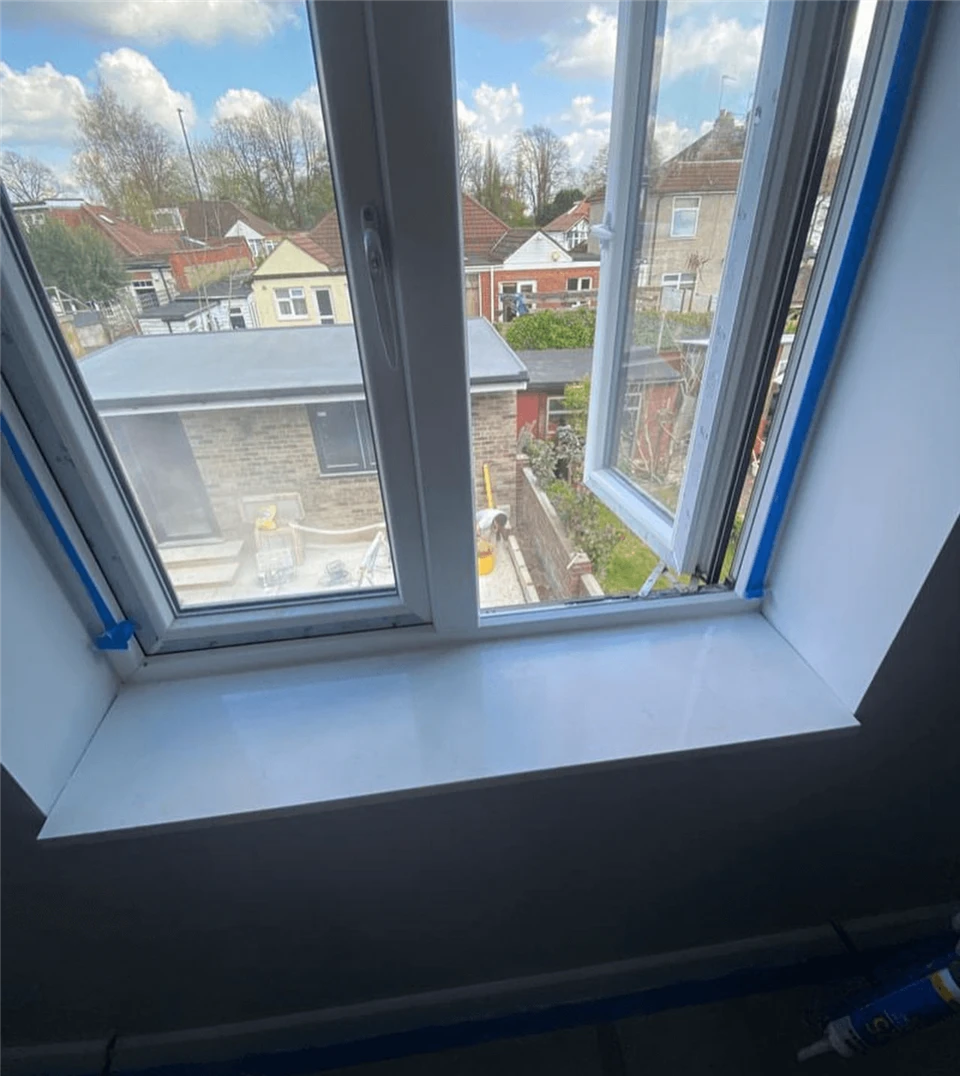
In conclusion, temperature has a significant impact on Quartz Threshold. From thermal expansion and contraction to effects on appearance, performance, installation, durability, and maintenance, it's a factor that can't be ignored. As a supplier, I'm always here to help you choose the right Quartz Threshold for your specific temperature conditions. Whether you're in a hot, cold, or temperate climate, we have products that can meet your needs. If you're interested in purchasing Quartz Thresholds for your project, don't hesitate to get in touch for a detailed discussion about your requirements.
References
- "Quartz in Construction: Properties and Applications" - A technical guide on quartz materials in the building industry.
- "Thermal Behavior of Natural and Engineered Stone" - A research paper on how different stone materials react to temperature changes.