

How does the Quartz Threshold change under different geological stresses?
Nov 27, 2025
As a supplier of Quartz Threshold, I've witnessed firsthand the remarkable versatility and durability of quartz in various construction applications. One question that often arises in the industry is how the quartz threshold changes under different geological stresses. In this blog post, I'll delve into this topic, exploring the science behind quartz's behavior and its implications for construction projects.
Understanding Quartz and Its Properties
Quartz is one of the most abundant minerals on Earth, known for its hardness, chemical stability, and resistance to weathering. Composed of silicon and oxygen atoms arranged in a continuous framework of SiO₄ silicon - oxygen tetrahedra, quartz has a crystalline structure that gives it its unique physical and chemical properties.
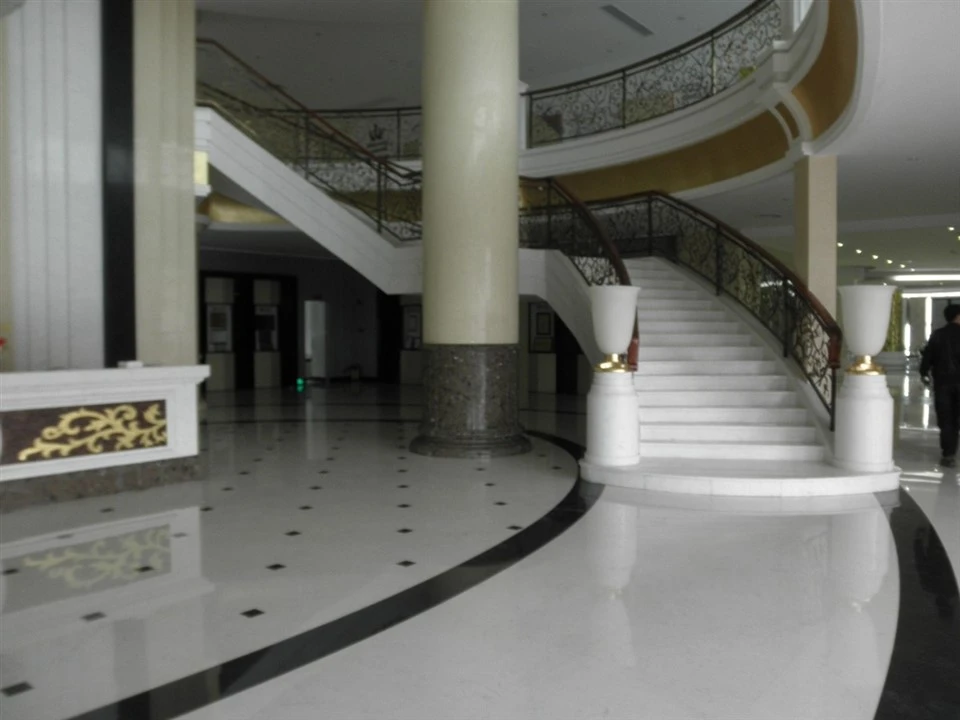
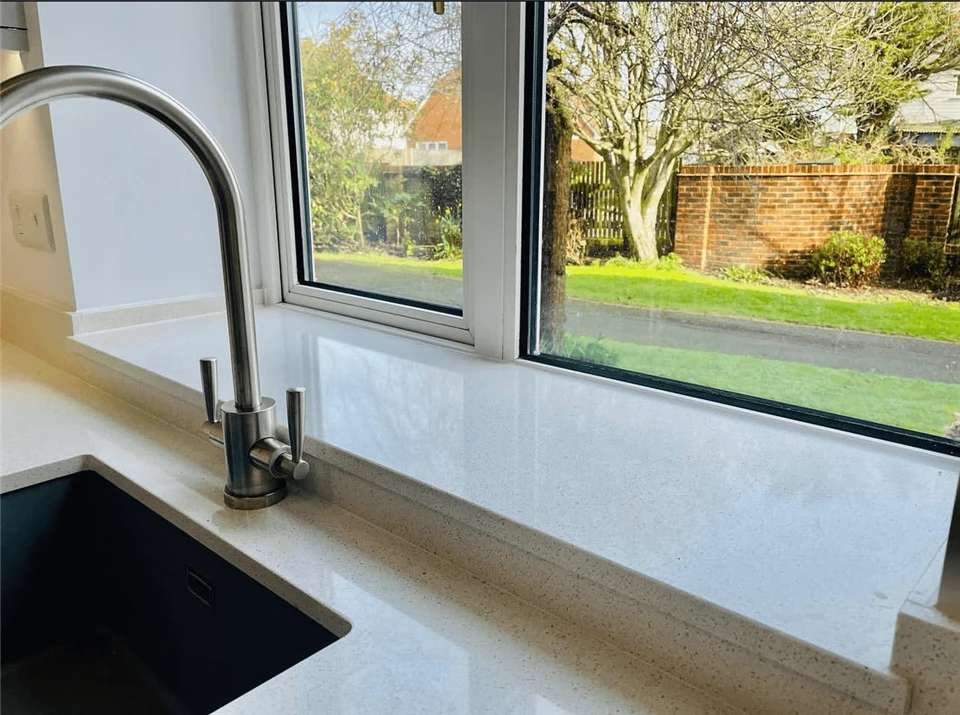
In construction, quartz is a popular choice for thresholds, window sills, and other structural elements due to its aesthetic appeal, low maintenance requirements, and long - lasting performance. Quartz Window Sills and thresholds, for example, can enhance the look of a building while providing a durable surface that can withstand heavy foot traffic and environmental factors.
Geological Stresses and Their Types
Geological stresses are forces that act on rocks and minerals within the Earth's crust. These stresses can be classified into three main types:
- Compressive Stress: This occurs when rocks are squeezed together, such as during mountain - building processes or when tectonic plates collide. Compressive stress can cause rocks to deform, fracture, or even recrystallize.
- Tensile Stress: Tensile stress is the opposite of compressive stress. It occurs when rocks are pulled apart, often due to the stretching of the Earth's crust. Tensile stress can lead to the formation of cracks and faults in rocks.
- Shear Stress: Shear stress acts parallel to a surface, causing one part of a rock to slide past another. This type of stress is common along fault lines and can result in the displacement of rock layers.
How Quartz Thresholds Respond to Compressive Stress
When a quartz threshold is subjected to compressive stress, its behavior depends on several factors, including the magnitude of the stress, the orientation of the stress relative to the crystal structure of the quartz, and the presence of any pre - existing flaws or fractures.
Under low to moderate compressive stress, quartz is relatively resistant to deformation. Its strong covalent bonds between silicon and oxygen atoms give it high strength, allowing it to withstand significant pressure without breaking. However, as the compressive stress increases, the quartz may start to deform plastically. This means that it changes shape without fracturing, as the atoms within the crystal lattice are forced to move and rearrange themselves.
In extreme cases of compressive stress, such as those found deep within the Earth's crust, quartz can undergo a phase transition. At high pressures and temperatures, quartz can transform into other polymorphs, such as coesite or stishovite, which have different crystal structures and physical properties.
The Impact of Tensile Stress on Quartz Thresholds
Tensile stress is generally more challenging for quartz thresholds to withstand compared to compressive stress. Quartz is relatively brittle, and when subjected to tensile forces, it is more likely to fracture. Even a small amount of tensile stress can cause micro - cracks to form on the surface of the quartz.
These micro - cracks can propagate under continued stress, eventually leading to the failure of the threshold. The presence of impurities or inclusions in the quartz can also weaken its structure and make it more susceptible to tensile failure. For example, if there are small voids or foreign particles within the quartz, these can act as stress concentrators, where the stress is concentrated and the likelihood of cracking is increased.
Shear Stress and Quartz Thresholds
Shear stress can cause significant damage to quartz thresholds. When shear stress is applied, the quartz may experience a combination of sliding and rotation of its crystal grains. This can lead to the formation of shear bands, which are narrow zones of intense deformation within the quartz.
Shear bands can weaken the overall structure of the threshold, making it more prone to failure. In addition, the friction generated during shear deformation can cause heating, which may further affect the physical and chemical properties of the quartz. For instance, the increased temperature can cause some of the weaker bonds within the quartz to break, leading to a loss of strength.
Implications for Quartz Construction
Understanding how quartz thresholds change under different geological stresses is crucial for construction projects. In areas with high seismic activity, for example, where the ground is subject to sudden and large - scale movements, it is essential to choose high - quality quartz thresholds that can withstand the associated stresses.
Engineers and architects need to consider the potential geological stresses that a building may experience during its lifespan. They can use this knowledge to design appropriate support structures and installation methods for quartz thresholds. For example, in regions with high compressive stress, additional reinforcement may be required to prevent the quartz from deforming or failing.
Testing and Quality Assurance
As a supplier, we conduct rigorous testing on our quartz thresholds to ensure their quality and performance under different stress conditions. We use advanced testing equipment, such as universal testing machines, to simulate compressive, tensile, and shear stresses.
These tests allow us to determine the strength and durability of our products, and to identify any potential weaknesses. By subjecting our quartz thresholds to a variety of stress scenarios, we can ensure that they meet the highest standards and are suitable for use in a wide range of construction projects.
Conclusion
In conclusion, the behavior of quartz thresholds under different geological stresses is a complex but important topic in the construction industry. Compressive, tensile, and shear stresses can all have significant effects on the performance and durability of quartz thresholds.
As a supplier of high - quality Quartz Threshold, we are committed to providing products that can withstand these stresses. Our understanding of the science behind quartz's behavior allows us to offer reliable solutions for construction projects, whether it's for a small residential building or a large - scale commercial development.
If you're involved in a construction project and are considering using quartz thresholds, window sills, or other quartz products, we'd love to discuss your needs. Our team of experts can provide you with detailed information about our products and how they can be tailored to your specific requirements. Contact us to start a procurement discussion and discover how our quartz products can enhance the quality and longevity of your construction project.
References
- Deer, W. A., Howie, R. A., & Zussman, J. (1992). Rock - forming Minerals: Framework Silicates. Longman Scientific & Technical.
- Pollard, D. D., & Fletcher, R. C. (2005). Fundamentals of Rock Fracturing. Cambridge University Press.
- Paterson, M. S., & Wong, T - f. (2005). Experimental Rock Deformation - The Brittle Field. Springer.