

How to integrate different city systems with the quartz project?
Dec 15, 2025
As a supplier of the Quartz Project, I've witnessed firsthand the transformative potential of integrating different city systems with this innovative quartz - based solution. In this blog, I'll explore how we can achieve seamless integration and the benefits it brings to urban environments.
Understanding the Quartz Project
Before delving into the integration process, it's essential to understand what the Quartz Project entails. Our quartz products are not just aesthetically pleasing; they possess remarkable durability, resistance to wear and tear, and low maintenance requirements. These qualities make them ideal for a wide range of applications within city systems.
The Quartz Construction aspect of our project offers high - strength building materials. These can be used in constructing bridges, high - rise buildings, and other critical city infrastructure. Their ability to withstand harsh environmental conditions and heavy loads ensures the long - term stability of these structures.
Quartz Threshold products are designed to provide a smooth transition between different indoor and outdoor spaces. They are not only functional but also add an elegant touch to the entrances of buildings, enhancing the overall aesthetic appeal of the cityscape.
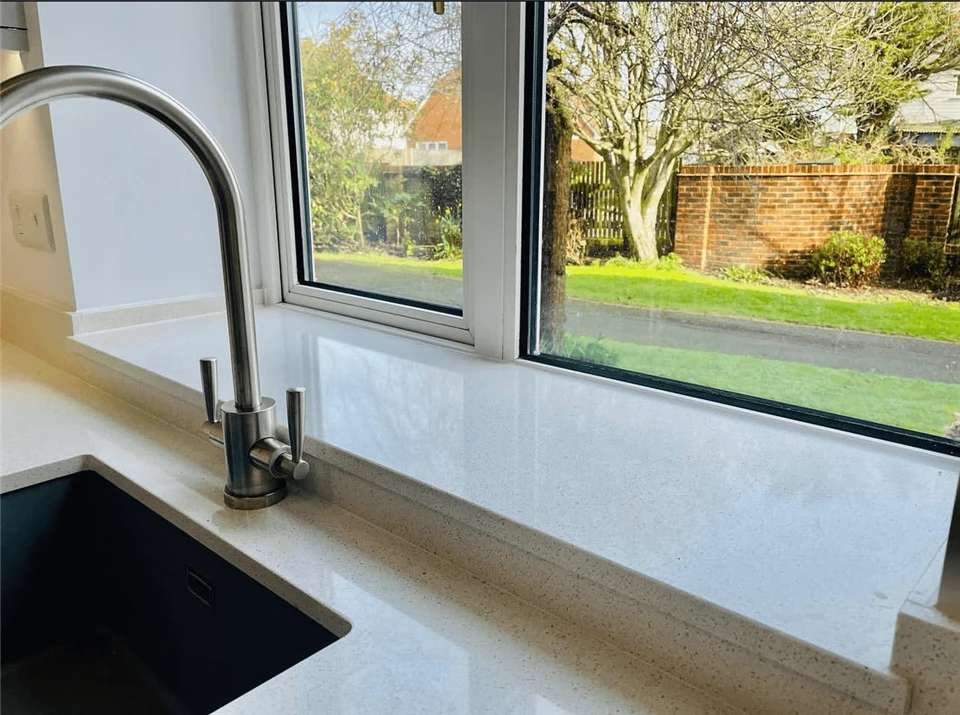
Quartz Window Sills are another key component. They offer excellent insulation properties, reducing energy consumption in buildings. Additionally, their sleek and modern design can enhance the visual appearance of windows, making buildings more attractive.
Integrating with Urban Infrastructure
Transportation Systems
One of the most significant challenges in modern cities is traffic congestion. By integrating quartz materials into transportation systems, we can create more efficient and durable roads. Quartz - reinforced asphalt can improve the load - bearing capacity of roads, reducing the frequency of potholes and cracks. This not only enhances the safety of drivers and pedestrians but also reduces maintenance costs for the city.
In addition, quartz can be used in the construction of railway platforms and stations. Its non - slip surface provides a safer environment for passengers, especially during wet weather. The durability of quartz ensures that these structures can withstand the constant flow of people and heavy equipment, reducing the need for frequent repairs.
Energy Systems
Energy efficiency is a top priority for cities aiming to reduce their carbon footprint. Our quartz products can play a crucial role in this area. For example, in solar power plants, quartz can be used as a protective covering for solar panels. Its high transparency allows sunlight to pass through while protecting the panels from dust, dirt, and other environmental factors. This improves the efficiency and lifespan of solar panels, contributing to a more sustainable energy supply.
In addition, quartz can be used in the construction of energy - efficient buildings. As mentioned earlier, quartz window sills can help reduce heat transfer, lowering the energy required for heating and cooling. By integrating these products into new construction projects and retrofitting existing buildings, cities can significantly reduce their energy consumption.
Water Management Systems
Water is a precious resource, and effective water management is essential for the sustainability of cities. Quartz materials can be used in water treatment plants. Their chemical resistance makes them suitable for use in pipes, tanks, and filtration systems. Quartz - lined pipes can prevent corrosion, ensuring the safe and efficient transport of water.
In addition, quartz can be used in the construction of stormwater management systems. Its porous nature allows it to absorb and filter rainwater, reducing the risk of flooding and improving water quality. By integrating these systems into the urban landscape, cities can better manage their water resources.
Overcoming Challenges in Integration
While the benefits of integrating different city systems with the Quartz Project are clear, there are also several challenges that need to be addressed.
Cost
One of the main concerns is the initial cost of using quartz materials. Compared to traditional materials, quartz products may have a higher upfront cost. However, it's important to consider the long - term savings. The durability and low maintenance requirements of quartz mean that over time, the total cost of ownership is often lower. For example, a quartz - reinforced road may require less frequent repairs than a traditional asphalt road, resulting in significant cost savings in the long run.
Technical Expertise
Integrating quartz materials into existing city systems requires specialized technical expertise. Architects, engineers, and construction workers need to be trained in the proper installation and use of these materials. To address this challenge, we offer training programs and technical support to ensure that our customers have the knowledge and skills needed to implement the Quartz Project successfully.
Regulatory Requirements
Cities have different regulatory requirements for construction materials. Before integrating quartz products into city systems, it's necessary to ensure that they comply with all relevant regulations. We work closely with regulatory authorities to ensure that our products meet the highest standards of safety and quality.
The Benefits of Integration
Aesthetic Appeal
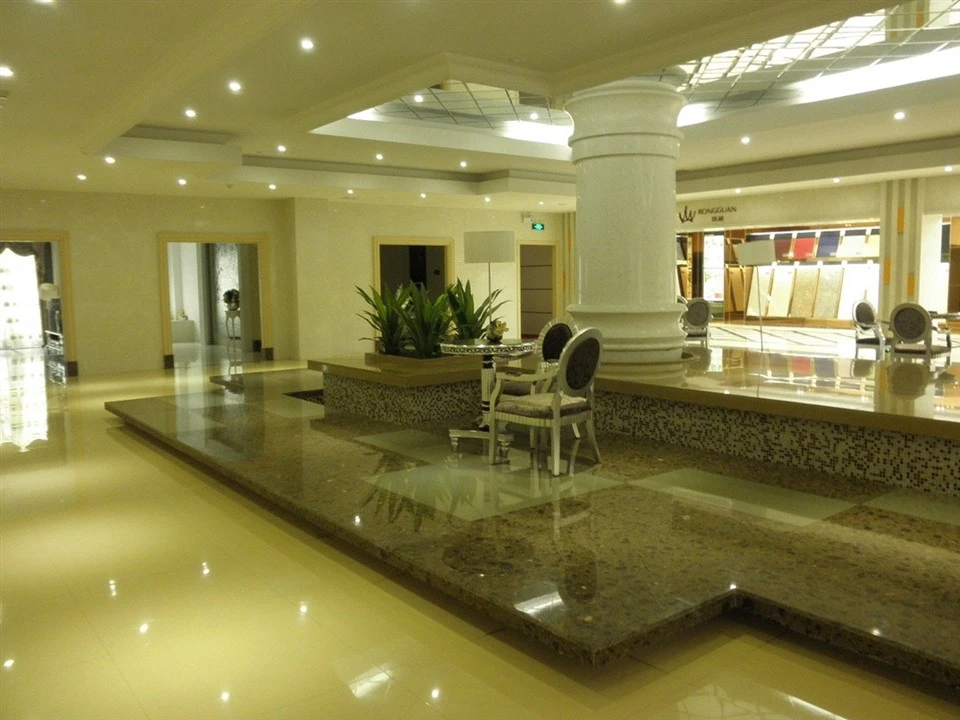
Quartz materials offer a wide range of colors and finishes, allowing for greater design flexibility. By integrating these products into different city systems, we can create a more visually appealing and harmonious urban environment. Whether it's a modern - looking building with quartz window sills or a stylish transportation hub with quartz flooring, these products can enhance the overall aesthetic of the city.
Sustainability
As mentioned earlier, integrating quartz materials into city systems can contribute to a more sustainable future. By reducing energy consumption, improving water management, and promoting the use of renewable energy sources, cities can become more environmentally friendly. This not only benefits the current generation but also ensures a better future for generations to come.
Economic Development
The Quartz Project can also stimulate economic development. By creating jobs in the manufacturing, installation, and maintenance of quartz products, it can boost local economies. In addition, the improved infrastructure and aesthetic appeal of cities can attract more businesses and tourists, further contributing to economic growth.
Conclusion
Integrating different city systems with the Quartz Project offers numerous benefits, including improved efficiency, sustainability, and aesthetic appeal. While there are challenges to overcome, with the right approach and technical expertise, these challenges can be addressed.
As a supplier of the Quartz Project, I'm committed to working with cities, architects, engineers, and other stakeholders to achieve seamless integration. We offer high - quality products, technical support, and training programs to ensure the success of every project.
If you're interested in exploring how the Quartz Project can be integrated into your city systems, I encourage you to reach out for a procurement discussion. Let's work together to create a more sustainable, efficient, and beautiful urban future.
References
- "Building Materials Handbook" - A comprehensive guide to different building materials, including quartz.
- "Urban Sustainability: Principles and Practices" - A book that explores various strategies for creating sustainable cities, including the integration of new materials into city systems.
- Industry reports on the use of quartz in construction and urban development.