

What are the research gaps in the understanding of Quartz Threshold?
Aug 26, 2025
Hey there! As a supplier of Quartz Threshold, I've been deeply involved in the industry for quite some time. And let me tell you, the more I learn about quartz threshold, the more I realize there are some significant research gaps in our understanding of it.
First off, let's talk about what quartz threshold is. It's a type of material commonly used in doorways, separating different rooms or areas. It not only provides a smooth transition between spaces but also adds a touch of style to the overall decor. But despite its widespread use, there's still a lot we don't know.
One of the major research gaps is in the area of durability. We know that quartz is generally a tough and long - lasting material. But when it comes to the threshold, which is subject to a lot of foot traffic, wear and tear, and potential impacts, we don't have a comprehensive understanding of how it will hold up over time. For example, different brands and qualities of quartz may have different levels of resistance to scratching, chipping, and staining. There isn't enough research that directly compares these factors specifically for quartz thresholds. Some studies focus on quartz countertops or Quartz Window Sills, but thresholds have a different usage scenario. They're constantly stepped on, and dirt and debris can get trapped around them, which may affect their longevity in a unique way.
Another area that lacks research is the environmental impact of quartz thresholds. In today's world, more and more consumers are concerned about the sustainability of the products they buy. We know that quartz is a natural material, but the manufacturing process of quartz thresholds can have an environmental footprint. There's limited research on how energy - intensive the production is, what kind of waste is generated during manufacturing, and how recyclable quartz thresholds are at the end of their life cycle. This information is crucial for both us as suppliers and for consumers who want to make environmentally - friendly choices.
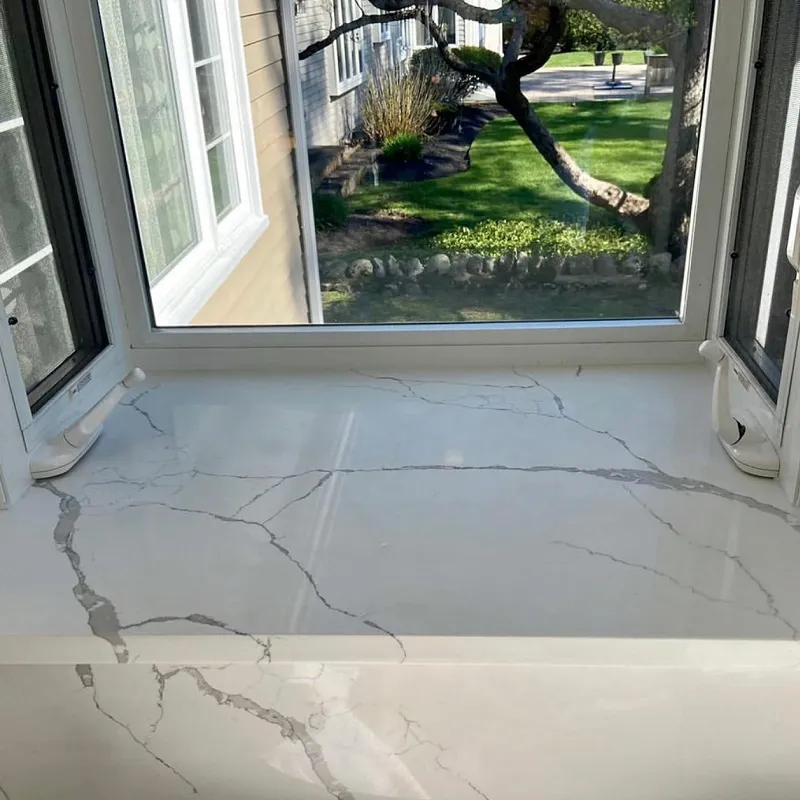
The aesthetic aspect of quartz thresholds also has its own set of research gaps. We know that quartz comes in a wide variety of colors and patterns. However, there isn't much research on how these different aesthetics perform in different interior design styles. For instance, a White Quartz Tiles Flooring may look great in a modern minimalist setting, but how does a quartz threshold with a similar color and pattern work in a traditional or rustic interior? There's a lack of in - depth analysis on how to best match quartz thresholds with different interior design themes to achieve the most harmonious and visually appealing look.
In terms of installation, there are also some areas that need more research. Installing a quartz threshold requires specific skills and tools. But there's not enough research on the best installation practices to ensure a long - lasting and seamless fit. Different sub - floors may require different installation methods, and the impact of humidity and temperature on the installation process isn't well - documented. For example, in areas with high humidity, there may be a risk of the quartz threshold warping or separating from the floor if the installation isn't done correctly. And we don't have enough data on how to prevent these issues.
Now, let's talk about the chemical properties of quartz thresholds. Quartz is a mineral, and it has certain chemical characteristics. But when it comes to how these chemicals interact with common household cleaning products, there's a lack of research. Some cleaning agents may be too harsh and can damage the surface of the quartz threshold over time. We need more studies to determine which cleaning products are safe to use and which ones should be avoided to maintain the beauty and integrity of the quartz threshold.
The cost - effectiveness of quartz thresholds is another research gap. While we know that quartz thresholds can be more expensive than some other types of thresholds, such as those made of wood or vinyl, there's not enough research on the long - term cost - benefit analysis. Over time, a quartz threshold may require less maintenance and replacement compared to other materials, but we don't have a clear picture of how much money can be saved in the long run. This information is important for consumers when making a purchasing decision.
As a supplier, these research gaps present both challenges and opportunities. On one hand, it's difficult to answer all the questions our customers may have due to the lack of comprehensive research. But on the other hand, it gives us a chance to contribute to the industry by conducting our own research or collaborating with research institutions.

If you're in the market for quartz thresholds, or if you have any questions about them, I'd love to have a chat with you. Whether it's about the aesthetics, durability, or any other aspect, I'm here to help. You can reach out to me, and we can start a discussion about your specific needs and how quartz thresholds can meet them.
In conclusion, the understanding of quartz thresholds has a long way to go. There are numerous research gaps in areas such as durability, environmental impact, aesthetics, installation, chemical properties, and cost - effectiveness. As the industry continues to grow, it's essential that we fill these gaps to provide better products and services to our customers.
References
- General knowledge from industry experience
- Various trade magazines and industry reports on quartz products