

What chemicals are safe to use on terrazzo slabs?
Aug 22, 2025
As a supplier of terrazzo slabs, I understand the importance of using safe chemicals to maintain and enhance the beauty and durability of these elegant flooring materials. Terrazzo slabs, known for their unique appearance and long - lasting nature, require careful consideration when it comes to chemical treatments. In this blog, I'll discuss the safe chemicals that can be used on terrazzo slabs, ensuring their quality and longevity.
Understanding Terrazzo Slabs
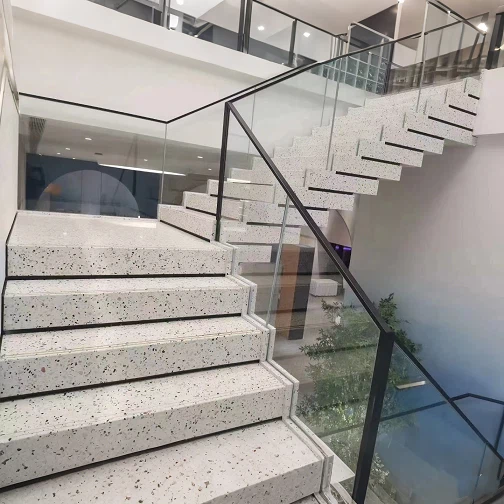
Before diving into the chemicals, let's briefly understand terrazzo slabs. Terrazzo is a composite material, often made up of chips of marble, quartz, granite, glass, or other suitable materials, which are embedded in a cement or resin matrix. There are different types of terrazzo slabs available, such as Terrazzo Polished Concrete Floor, Terrazzo Stone Slabs, and Green Terrazzo Slab. Each type has its own characteristics and may require specific chemical treatments.
Safe Chemicals for Cleaning Terrazzo Slabs
Mild Detergents
Mild, pH - neutral detergents are the go - to chemicals for regular cleaning of terrazzo slabs. These detergents are formulated to clean dirt, grime, and stains without causing any damage to the surface. They are gentle enough not to etch or discolor the terrazzo. Look for products that are specifically labeled as safe for natural stone or terrazzo.
When using a mild detergent, mix it with warm water according to the manufacturer's instructions. Use a soft - bristled mop or a microfiber cloth to apply the solution to the terrazzo surface. Gently scrub the floor in a circular motion to remove dirt and stains. Rinse thoroughly with clean water to prevent any residue from building up.
Vinegar Solution
A natural alternative to commercial detergents is a vinegar solution. Vinegar is an effective cleaning agent that can break down grease and stains. Mix one part white vinegar with four parts water in a spray bottle. Spray the solution onto the terrazzo surface and let it sit for a few minutes. Then, use a soft - bristled brush or a mop to clean the area. Rinse well with water. However, it's important to note that vinegar is acidic, so it should be used sparingly and only on terrazzo slabs that can tolerate mild acids. Test the solution on a small, inconspicuous area first to ensure there is no adverse reaction.
Baking Soda Paste
Baking soda is another safe and natural cleaning option. It can be used to remove stubborn stains from terrazzo slabs. Make a paste by mixing baking soda with a small amount of water until it forms a thick consistency. Apply the paste to the stain and let it sit for 15 - 20 minutes. Then, use a soft - bristled brush to scrub the area gently. Rinse with water. Baking soda is a mild abrasive, so it can help lift stains without scratching the terrazzo surface.

Chemicals for Sealing Terrazzo Slabs
Penetrating Sealers
Penetrating sealers are an essential chemical treatment for terrazzo slabs. These sealers penetrate into the pores of the terrazzo, forming a protective barrier that prevents water, stains, and dirt from seeping in. They are available in both solvent - based and water - based formulations.
Water - based penetrating sealers are generally considered safer for indoor use as they have lower volatile organic compound (VOC) emissions. They are also easier to apply and clean up. Solvent - based sealers, on the other hand, may provide a more durable and long - lasting seal, but they have higher VOC levels and should be used in well - ventilated areas.
When applying a penetrating sealer, follow the manufacturer's instructions carefully. Clean the terrazzo surface thoroughly before application to ensure the sealer can penetrate effectively. Use a roller or a brush to apply the sealer evenly, working in small sections. Allow the sealer to dry completely between coats, usually for 1 - 2 hours. Multiple coats may be required for optimal protection.
Topical Sealers
Topical sealers form a thin, protective layer on the surface of the terrazzo. They can enhance the shine and appearance of the slabs while providing some level of stain and scratch resistance. There are different types of topical sealers, such as acrylic, urethane, and epoxy.
Acrylic sealers are popular for their ease of application and relatively low cost. They provide a good level of protection and can be easily reapplied. Urethane sealers are more durable and offer better scratch and chemical resistance. Epoxy sealers are the most heavy - duty option, providing excellent protection against stains, chemicals, and abrasion. However, they are also more difficult to apply and may require professional installation.
Chemicals for Polishing Terrazzo Slabs
Polishing Powders
Polishing powders are used to restore the shine and smoothness of terrazzo slabs. They contain abrasive particles that help remove minor scratches and dullness from the surface. There are different grades of polishing powders available, depending on the level of damage and the desired finish.
To use a polishing powder, mix it with water to form a slurry. Apply the slurry to the terrazzo surface and use a floor buffer or a polishing machine to work it in. Start with a low - grit powder to remove deeper scratches and gradually move to a higher - grit powder for a finer finish. Rinse the surface thoroughly after polishing to remove any residue.
Diamond Pads
Diamond pads are another effective tool for polishing terrazzo slabs. They are available in different grits, from coarse to fine. Coarse diamond pads are used to remove heavy scratches and level the surface, while fine diamond pads are used for a high - gloss finish.
When using diamond pads, attach them to a floor buffer or a polishing machine. Wet the terrazzo surface and start polishing with the coarsest pad. Work in small sections, moving the machine in a steady, overlapping pattern. As you progress through the different grits, the surface will become smoother and shinier. Rinse the surface after each pad change to remove any debris.
Chemicals to Avoid
Harsh Acids
Avoid using harsh acids such as hydrochloric acid, sulfuric acid, or phosphoric acid on terrazzo slabs. These acids can etch the surface, causing permanent damage and discoloration. They can also break down the cement or resin matrix, weakening the structure of the terrazzo.
Abrasive Cleaners
Abrasive cleaners that contain large particles or sharp edges should be avoided. These cleaners can scratch the terrazzo surface, making it more susceptible to stains and damage. Examples of abrasive cleaners include scouring powders and steel wool.
Conclusion
Using the right chemicals is crucial for maintaining the beauty and durability of terrazzo slabs. Mild detergents, vinegar solutions, and baking soda are safe options for regular cleaning. Penetrating and topical sealers can protect the terrazzo from stains and damage, while polishing powders and diamond pads can restore its shine. However, it's important to avoid harsh acids and abrasive cleaners.
If you're in the market for high - quality terrazzo slabs or need advice on the best chemical treatments for your specific needs, I encourage you to reach out for a procurement discussion. I'm here to help you make the most of your terrazzo investment.
References
- "Terrazzo: A Comprehensive Guide" by Stone Industry Association
- Manufacturer's product manuals for terrazzo cleaning and maintenance chemicals
- "Natural Stone Care and Maintenance" by International Association of Stone Suppliers