

What is the water absorption rate of Quartz Skirting?
Jul 14, 2025
Quartz skirting is a popular choice for many interior design projects due to its durability, aesthetic appeal, and ease of maintenance. One of the key properties that can significantly impact its performance and longevity is the water absorption rate. In this blog, as a quartz skirting supplier, I'll delve into what the water absorption rate of quartz skirting is, why it matters, and how it can influence your choice when selecting this product.
Understanding Water Absorption Rate
The water absorption rate of a material refers to the amount of water a material can absorb when immersed in water for a specific period under defined conditions. It is usually expressed as a percentage. For quartz skirting, this rate is determined by the porosity of the quartz composite. Quartz itself is a relatively non - porous mineral. However, quartz skirting is often a composite material made up of quartz crystals bound together with resins and other additives.
The water absorption rate is measured by weighing a dry sample of the quartz skirting, then immersing it in water for a set time (usually 24 hours). After the immersion period, the sample is removed, surface - dried, and weighed again. The difference in weight before and after immersion is used to calculate the water absorption rate. A lower water absorption rate indicates that the material is less likely to absorb water, which is generally a desirable characteristic.
Importance of Low Water Absorption Rate in Quartz Skirting
1. Durability
A low water absorption rate is crucial for the durability of quartz skirting. When water is absorbed into the material, it can cause various problems. For example, in cold climates, absorbed water can freeze and expand, leading to cracks in the skirting. This expansion and contraction cycle can gradually weaken the material's structure, reducing its lifespan. A skirting with a low water absorption rate is more resistant to these types of damage, ensuring that it remains in good condition for a longer time.
2. Resistance to Stains and Mildew
Water can carry dirt, stains, and microorganisms such as mold and mildew. If the quartz skirting has a high water absorption rate, these contaminants can penetrate the material, causing permanent stains and promoting the growth of mildew. A low water absorption rate means that the surface of the skirting is less likely to absorb these substances, making it easier to clean and maintain its appearance.
3. Structural Integrity
Moisture can also affect the bonding between the quartz crystals and the resin in the composite material. Over time, if water is constantly absorbed, it can weaken the bond, leading to delamination or other structural issues. A low water absorption rate helps to preserve the integrity of the skirting, ensuring that it remains stable and functional.
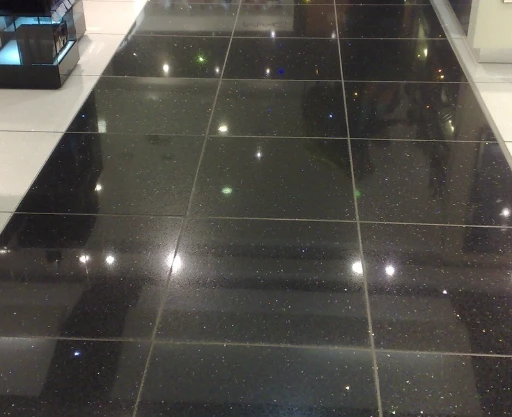

Typical Water Absorption Rates of Quartz Skirting
High - quality quartz skirting typically has a very low water absorption rate, often less than 0.05%. This is significantly lower compared to other materials commonly used for skirting, such as natural stone or ceramic tiles. The low water absorption rate of quartz skirting is one of the reasons why it is a preferred choice in areas where moisture is a concern, such as bathrooms, kitchens, and basements.
It's important to note that the water absorption rate can vary depending on the manufacturing process and the quality of the raw materials used. As a supplier, we ensure that our quartz skirting products undergo strict quality control measures to maintain a consistently low water absorption rate.
Comparing Quartz Skirting with Other Materials Based on Water Absorption
1. Natural Stone Skirting
Natural stone, such as marble or granite, can have a relatively high water absorption rate, especially if it is not properly sealed. For example, some types of marble can have a water absorption rate ranging from 0.2% to 1%. This makes natural stone more susceptible to staining, cracking, and other moisture - related damage compared to quartz skirting.
2. Ceramic Skirting
Ceramic tiles used for skirting can also have a variable water absorption rate. Porcelain ceramic tiles generally have a lower water absorption rate (less than 0.5%), but other types of ceramic tiles can have a higher rate, up to 10% or more. High - water - absorbing ceramic tiles are more likely to absorb moisture, which can lead to issues such as efflorescence (a white, powdery deposit on the surface) and cracking.
Applications of Quartz Skirting with Low Water Absorption
1. Bathrooms
In bathrooms, where there is constant exposure to water and high humidity, quartz skirting with a low water absorption rate is an ideal choice. It can withstand the wet environment without being damaged by water absorption, and its resistance to stains and mildew helps to keep the bathroom looking clean and fresh.
2. Kitchens
Kitchens are another area where water is frequently present. Whether it's from spills, cleaning, or cooking activities, quartz skirting can protect the walls from water damage. Its low water absorption rate ensures that it remains in good condition even when exposed to water on a regular basis.
3. Basements
Basements are often prone to moisture problems, such as water seepage from the ground. Quartz skirting with a low water absorption rate can prevent water from penetrating the walls, reducing the risk of mold growth and structural damage.
Our Quartz Skirting Products
As a supplier of quartz skirting, we offer a wide range of products with excellent water - absorbing properties. Our quartz skirting is made from high - quality quartz crystals and premium resins, ensuring a low water absorption rate of less than 0.05%. We use advanced manufacturing techniques to produce skirting that is not only durable but also aesthetically pleasing.
Our skirting comes in various colors and designs to suit different interior styles. Whether you are looking for a modern, minimalist look or a more traditional design, we have the right product for you. In addition to skirting, we also offer related quartz products such as White Quartz Tiles Flooring, Quartz Window Sills, and Quartz Construction materials.
Conclusion
The water absorption rate of quartz skirting is a critical factor that affects its performance, durability, and maintenance. A low water absorption rate makes quartz skirting a superior choice for areas exposed to moisture, such as bathrooms, kitchens, and basements. As a supplier, we are committed to providing high - quality quartz skirting products with excellent water - absorbing properties. If you are in the market for quartz skirting or other quartz products, we invite you to contact us for more information and to discuss your specific requirements. Our team of experts is ready to assist you in making the right choice for your project.
References
- "Quartz Surfaces: Properties and Applications" - A technical guide on quartz materials and their uses.
- "Building Materials Handbook" - A comprehensive reference on various building materials, including quartz.
- Industry standards and guidelines for measuring water absorption rates of building materials.